Running a home business has never offered more opportunities than it does today. Whether you sell handmade products, offer professional services, run an online store, or operate a local service business, your potential customers are searching online before making purchasing decisions.
The challenge is getting your business found.
Many home business owners rely almost entirely on social media or paid advertising. While those methods can generate sales, they often require constant effort and ongoing costs. Search Engine Optimization (SEO), on the other hand, helps your website attract visitors organically by improving its visibility in search engine results.
The best part is that SEO doesn’t have to be complicated. You don’t need to be a web developer or marketing expert to improve your online visibility. By focusing on a few simple strategies, you can begin attracting more potential customers without spending a fortune on advertising.
In this guide, you’ll learn easy SEO techniques that any home business owner can implement.
What Is SEO?
SEO stands for Search Engine Optimization. It is the process of improving your website so that search engines like Google and Bing understand your content and display it to people searching for products or services like yours.
Imagine someone searches for:
- Handmade candles
- Custom birthday cakes
- Pet grooming near me
- Personalized gifts
- Virtual bookkeeping services
If your website is properly optimized, it has a much better chance of appearing near the top of those search results.
The higher your website ranks, the more visitors—and potential customers—you are likely to receive.
Why SEO Matters for Home Businesses
Unlike large companies with massive advertising budgets, home businesses often need affordable ways to attract customers.
SEO offers several advantages:
- Generates free traffic from search engines
- Works around the clock
- Builds credibility and trust
- Attracts customers actively searching for your products
- Reduces dependence on paid advertising
- Delivers long-term results
Unlike social media posts that disappear from feeds after a few hours, well-optimized webpages can continue generating traffic for months or even years.
Think of SEO as building a long-term asset for your business.
Start with Your Ideal Customer
Successful SEO begins with understanding who you’re trying to reach.
Ask yourself:
- Who buys my products?
- What problems do they need solved?
- What questions do they ask?
- What words would they type into Google?
For example, instead of optimizing for a broad phrase like “jewelry,” you might focus on:
- Handmade silver necklaces
- Personalized birthstone necklaces
- Custom engraved bracelets
- Mother’s Day jewelry gifts
The more specific your content is, the easier it becomes for search engines to match your pages with interested buyers.
Choose the Right Keywords
Keywords are the words and phrases people type into search engines.
Choosing the right keywords helps search engines understand what your pages are about.
Good keyword ideas often come from:
- Customer questions
- Product categories
- Frequently asked questions
- Competitor websites
- Google’s autocomplete suggestions
- Related searches
Instead of trying to rank for highly competitive keywords, many home businesses find better success targeting longer, more specific phrases.
For example:
Instead of:
- Candles
Try:
- Soy candles for gifts
- Lavender scented soy candles
- Handmade holiday candles
- Natural beeswax candles
These longer search phrases often attract buyers who are closer to making a purchase.
Create Helpful Content
One of the easiest ways to improve SEO is by creating useful content.
Search engines reward websites that answer people’s questions.
Content ideas include:
- How-to articles
- Buying guides
- Frequently asked questions
- Product comparisons
- Tutorials
- Checklists
- Customer success stories
If you own a home bakery, you might publish articles such as:
- How to Choose the Perfect Birthday Cake
- Tips for Ordering Custom Wedding Desserts
- Fresh vs. Frozen Pie Ingredients
- Decorating Ideas for Holiday Cakes
Helpful content builds trust while increasing your chances of ranking for multiple search terms.
Optimize Every Webpage
Each page on your website should clearly communicate its topic.
Simple optimization includes:
- Descriptive page titles
- Clear headings
- Short paragraphs
- Natural keyword placement
- Internal links
- Relevant images
- Easy-to-read formatting
Your goal is to make every page helpful for both visitors and search engines.
Avoid repeating keywords excessively. Modern SEO rewards natural writing rather than keyword stuffing.
Don’t Forget Image SEO
Images are often overlooked, but they play an important role in SEO.
Every image should have:
- A descriptive filename
- Meaningful alt text
- Appropriate dimensions
- Compressed file size
- High-quality resolution
For example, instead of naming an image: IMG12345.jpg, use something descriptive like: homemade-apple-pie.jpg. This helps search engines understand the image and can improve your visibility in image search results.
Improve Website Speed
People expect websites to load quickly.
If your pages take too long to appear, visitors may leave before they even see your content.
Some easy ways to improve speed include:
- Compress images
- Remove unnecessary plugins
- Enable page caching
- Choose reliable web hosting
- Minimize large files
- Keep your website updated
A faster website improves both user experience and search engine rankings.
Make Your Website Mobile-Friendly
Most online searches now happen on mobile devices.
Your website should:
- Display properly on phones
- Use readable text
- Have buttons that are easy to tap
- Load quickly on mobile connections
- Adjust automatically to different screen sizes
Search engines prioritize websites that provide a positive mobile experience.
Build Trust with Search Engines
Search engines want to recommend trustworthy businesses.
You can improve credibility by including:
- Contact information
- About page
- Privacy policy
- Secure HTTPS connection
- Customer testimonials
- Business address (when appropriate)
- Professional photos
The more trustworthy your business appears, the more confidence both visitors and search engines will have in your website.
Local SEO for Home Businesses
If you serve customers in a specific geographic area, local SEO is extremely important.
Businesses that benefit include:
- Bakers
- Landscapers
- Electricians
- Consultants
- Pet groomers
- Cleaning companies
- Tutors
- Photographers
Important local SEO steps include:
- Create a Google Business Profile
- Keep your business information consistent across the web
- Encourage customer reviews
- Include your city or service area naturally on your website
- Add location-specific pages if you serve multiple areas
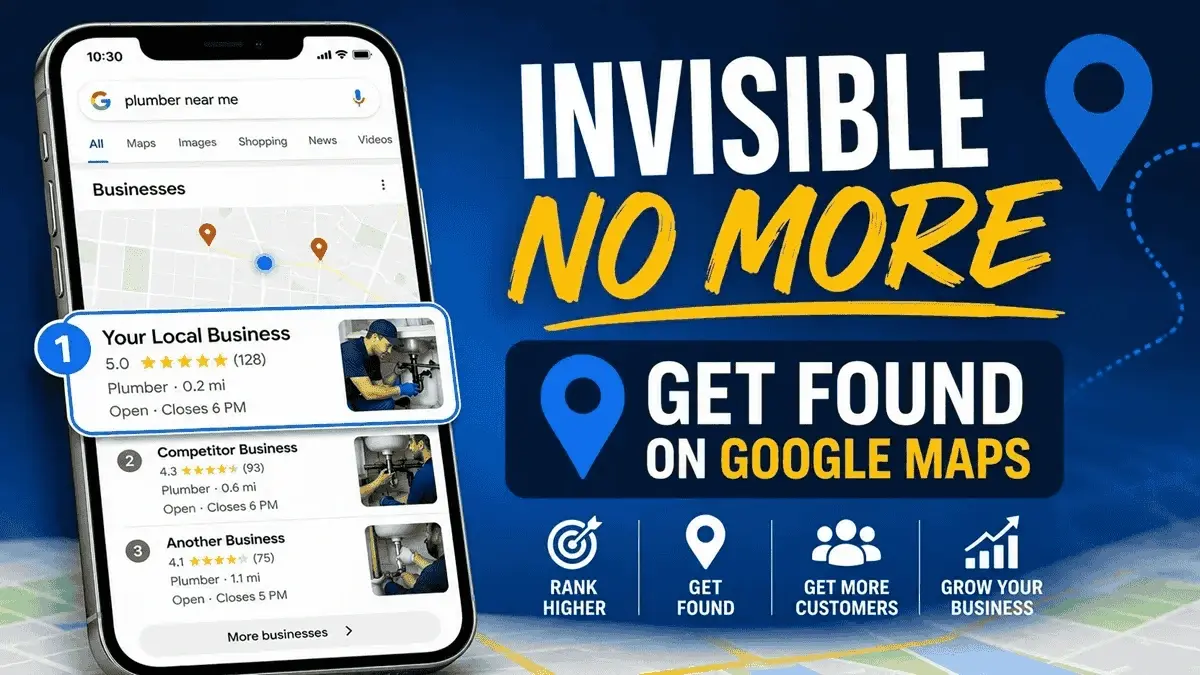
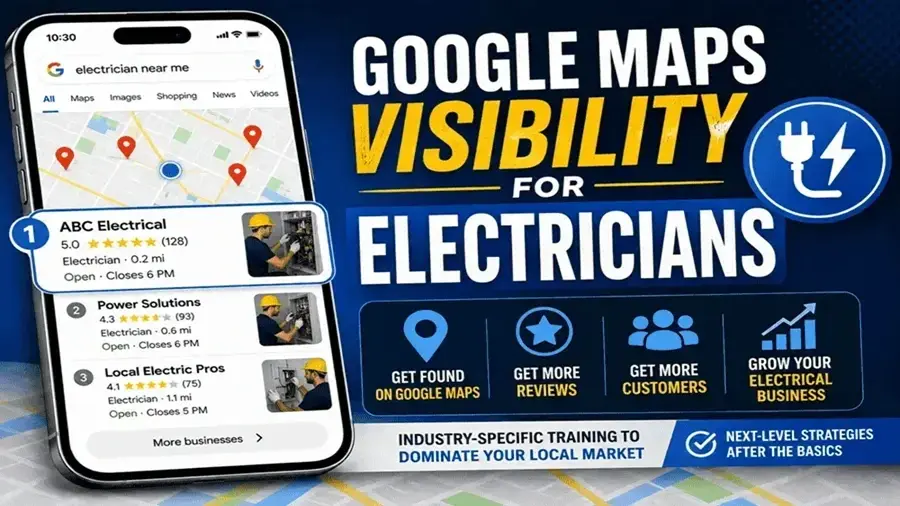
Local SEO can help your business appear in Google Maps and local search results, making it easier for nearby customers to find you.
Measure Your Results
SEO isn’t something you do once and forget.
Successful businesses regularly monitor their progress.
Keep an eye on:
- Organic website traffic
- Keyword rankings
- Page views
- Click-through rates
- Conversions
- Phone calls
- Contact form submissions
- Online sales
Reviewing this information helps you understand which pages perform well and where improvements are needed.
Common SEO Mistakes to Avoid
Many beginners unintentionally make mistakes that slow their progress.
Avoid these common problems:
- Targeting keywords that are too competitive
- Publishing thin or low-quality content
- Ignoring mobile users
- Using duplicate content
- Forgetting image optimization
- Neglecting internal linking
- Expecting overnight rankings
- Failing to update older content
SEO is a long-term strategy, and steady improvements usually produce better results than chasing shortcuts.
Create a Simple SEO Routine
You don’t need to spend hours every day working on SEO. A consistent weekly routine can make a significant difference.
Try this schedule:
Monday
- Research new keywords.
Tuesday
- Write or update a webpage or blog post.
Wednesday
- Optimize images and improve page formatting.
Thursday
- Add internal links between related pages.
Friday
- Review your website analytics and identify opportunities for improvement.
By dedicating a little time each week, you’ll steadily build a stronger online presence.
Final Thoughts
Easy SEO for home businesses isn’t about learning complicated formulas or mastering technical jargon. It’s about helping search engines understand your website while making it easier for customers to find exactly what they’re looking for.
Start by understanding your audience, choosing relevant keywords, creating genuinely helpful content, and optimizing each page with simple best practices. Make sure your website loads quickly, works well on mobile devices, and includes clear information about your business. If you serve local customers, don’t overlook the value of local SEO and maintaining an accurate Google Business Profile.
Remember that SEO is a marathon, not a sprint. The changes you make today may continue generating traffic and customers months or even years into the future. Every blog post you publish, every page you improve, and every keyword you target strengthens your online presence.
With patience, consistency, and a focus on providing value, even the smallest home business can compete successfully in search results. By applying these easy SEO techniques, you’ll build a website that attracts more visitors, earns more trust, and helps your business grow naturally over time.
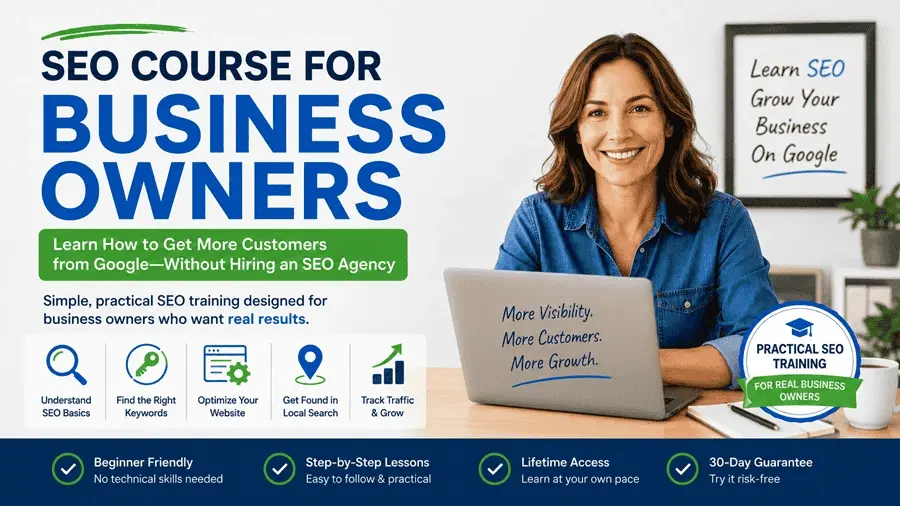
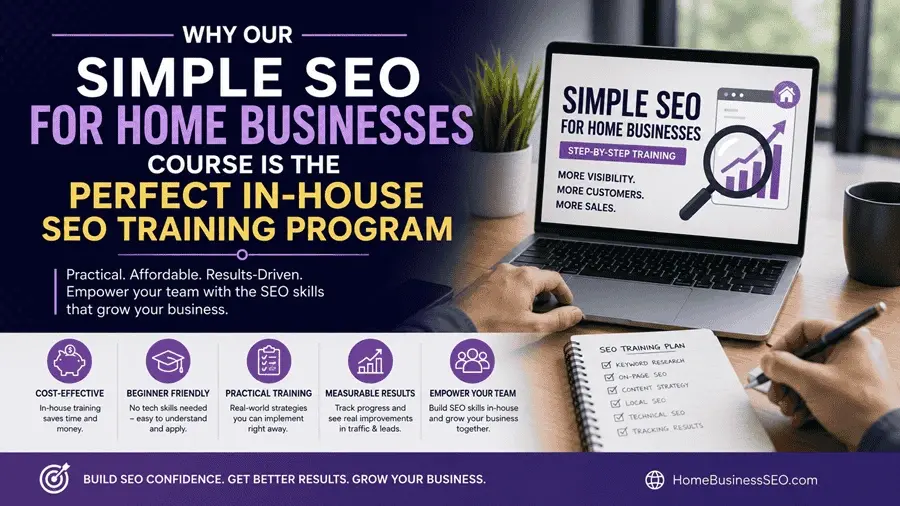
Be sure to check out our full course on Simple SEO For Small Businesses. Above is a brief summary of what’s included in the course plus a whole lot more.
Our Free SEO Courses