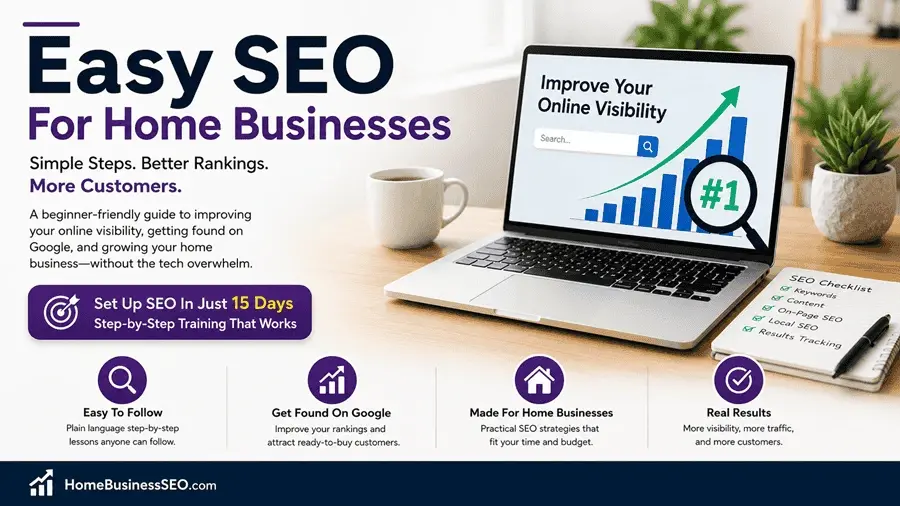
Search Engine Optimization (SEO) is one of the most valuable skills you can learn from home. Whether you’re a small business owner, blogger, freelancer, Etsy seller, or someone looking to start an online business, SEO can help you attract more visitors without paying for advertising.
Every day, billions of searches are performed on Google and other search engines. When your website appears near the top of those search results, you have a much greater chance of gaining customers, readers, or clients.
The good news is that you don’t need a college degree or expensive training to learn SEO. With the right approach and consistent practice, anyone can develop the skills needed to improve a website’s visibility in search engines.
Start by Understanding the Basics
Before diving into advanced techniques, it’s important to understand what SEO actually means.
SEO is the process of improving a website so that search engines can better understand its content and recommend it to people searching for related topics.
There are three primary areas of SEO:
- On-page SEO
- Off-page SEO
- Technical SEO
On-page SEO focuses on the content of your website, including keywords, titles, headings, images, and page structure.
Off-page SEO involves building authority through backlinks, online mentions, and brand reputation.
Technical SEO ensures your website loads quickly, works well on mobile devices, and is easy for search engines to crawl and index.
Learning these three areas provides a solid foundation for everything else you’ll study.
Learn How Search Engines Work
One of the biggest mistakes beginners make is trying to memorize SEO tricks without understanding how search engines actually operate.
Search engines generally follow four steps:
- Discover webpages
- Crawl websites
- Index content
- Rank pages based on relevance and quality
Understanding this process helps explain why some websites rank higher than others.
Instead of trying to “beat the algorithm,” focus on creating pages that genuinely answer people’s questions and provide a positive user experience.
Practice Keyword Research
Keywords are the words and phrases people type into search engines.
Learning how to find the right keywords is one of the most important SEO skills.
Good keyword research helps you understand:
- What people are searching for
- How often they search
- How competitive a keyword is
- What type of content Google expects
Start by thinking like your customer.
For example, instead of targeting a broad keyword like “pie,” a home bakery might target:
- Homemade apple pie
- Fresh blueberry pie near me
- Custom birthday pies
- Order homemade pies online
Longer, more specific keywords are often easier to rank for and usually attract visitors who are ready to take action.
Create Helpful Content
Content is the foundation of successful SEO.
Google wants to recommend pages that solve problems, answer questions, and provide useful information.
When learning SEO at home, spend time practicing content writing.
Examples include:
- Blog posts
- Buying guides
- Tutorials
- Product descriptions
- Frequently asked questions
- Checklists
- Resource pages
Every article should focus on helping the reader rather than simply trying to rank for a keyword.
The more valuable your content is, the better your long-term SEO results are likely to be.
Learn Basic On-Page SEO
Once you’ve written quality content, you’ll want to optimize each page.
Important on-page SEO elements include:
- A clear page title
- Descriptive headings
- Short paragraphs
- Relevant keywords used naturally
- Internal links
- Optimized images
- Easy-to-read formatting
Avoid stuffing keywords throughout your article.
Modern SEO rewards natural writing that satisfies search intent.
If your article is helpful, your keywords will often appear naturally.
Understand Image SEO
Images play a bigger role in SEO than many beginners realize.
Large, unoptimized images can slow down your website, while properly optimized images can improve both rankings and user experience.
Good image optimization includes:
- Descriptive file names
- Meaningful alt text
- Appropriate image sizes
- Compression for faster loading
- Modern formats such as WebP when supported
Optimizing images also increases your chances of appearing in image search results.
Improve Your Website’s Technical SEO
Technical SEO sounds intimidating, but many improvements are simple.
Focus on making your website:
- Fast-loading
- Mobile-friendly
- Secure with HTTPS
- Easy to navigate
- Free of broken links
A slow website can frustrate visitors and reduce your search rankings.
Many website speed improvements can be made using caching, image optimization, and lightweight themes.
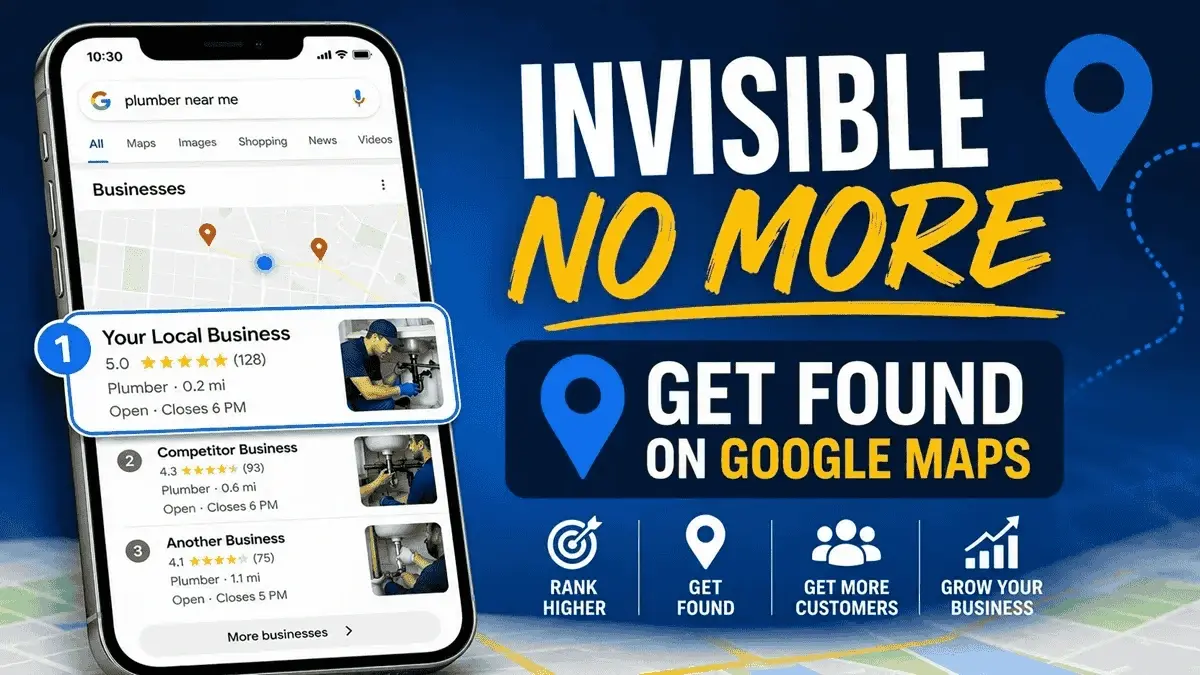
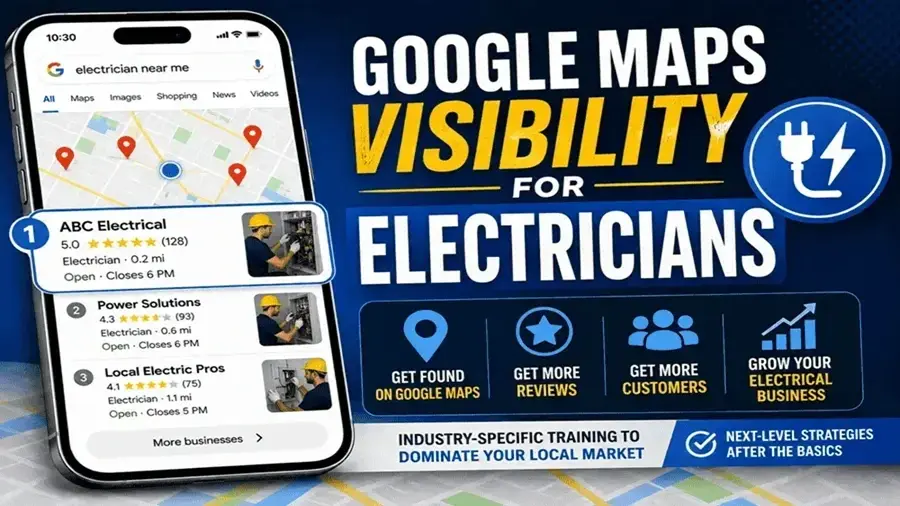
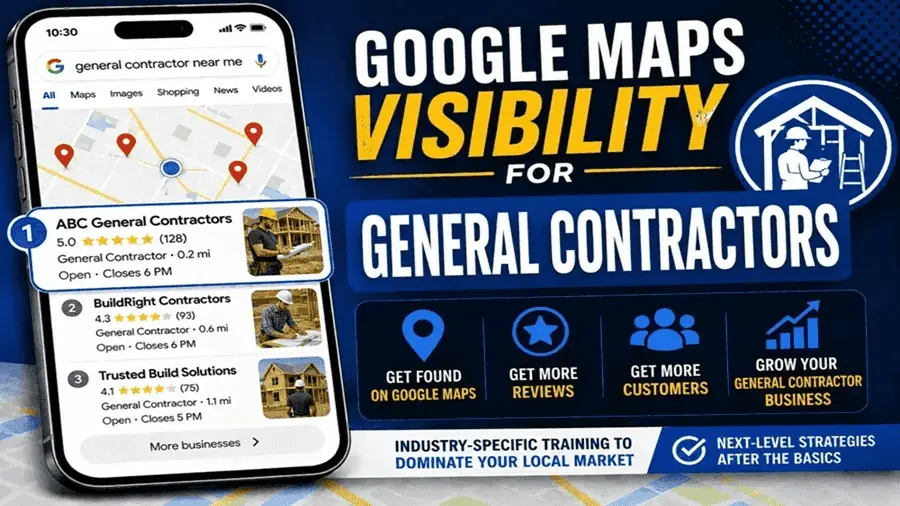
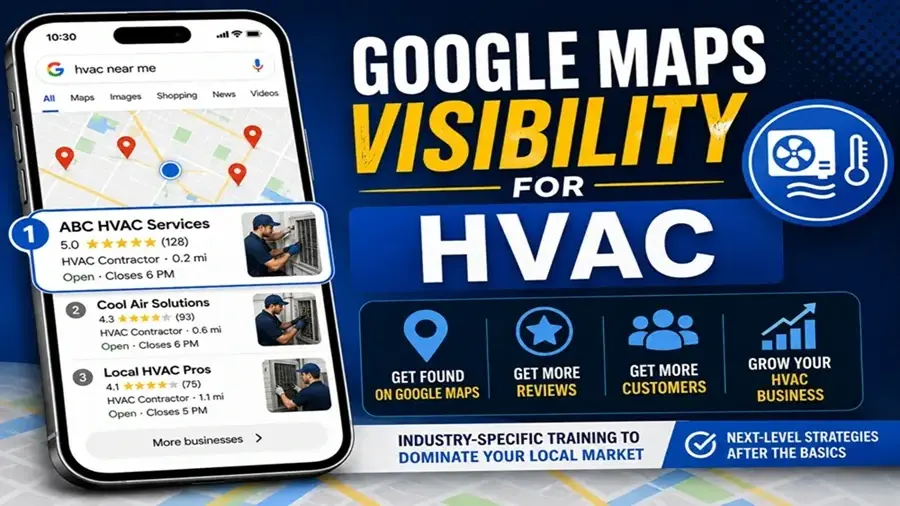
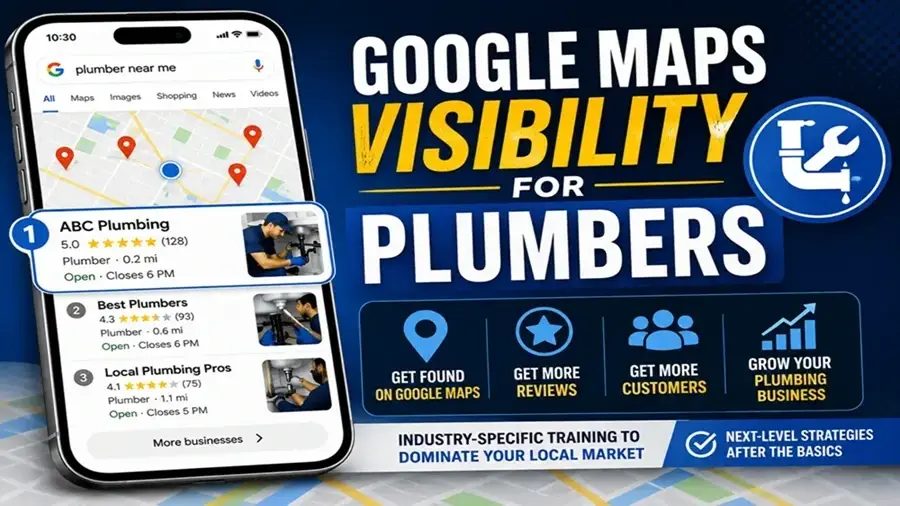
Learn Local SEO if You Serve Local Customers
If your business serves a local area, local SEO should be one of your priorities.
Examples include:
- Electricians
- Landscapers
- Bakers
- Plumbers
- Consultants
- Cleaning services
Important local SEO tasks include:
- Creating a Google Business Profile
- Keeping business information consistent
- Collecting customer reviews
- Adding location pages
- Using local keywords
Local SEO can help your business appear in Google Maps and local search results.
Build Experience by Practicing
SEO is learned through experience.
Reading articles and watching videos is helpful, but applying what you’ve learned is what builds real skills.
Start a simple website or blog where you can practice:
- Writing articles
- Finding keywords
- Optimizing pages
- Tracking rankings
- Improving existing content
Every page you publish becomes another learning opportunity.
Over time, you’ll begin recognizing patterns that no textbook can teach.
Measure Your Progress
Successful SEO depends on measuring results.
Watch metrics such as:
- Organic traffic
- Keyword rankings
- Click-through rates
- Time on page
- Bounce rate
- Conversions
Learning how to interpret this data helps you understand which strategies are working and which pages need improvement.
SEO is an ongoing process of testing, measuring, and refining.
Stay Current with SEO Changes
Search engines constantly update their algorithms.
Fortunately, the fundamentals of SEO remain consistent.
Focus on long-term best practices rather than chasing shortcuts or “secret ranking tricks.”
Good SEO has always centered on:
- Helpful content
- Positive user experience
- Relevant information
- Fast websites
- Clear organization
- Trustworthy information
Those principles continue to produce results regardless of algorithm updates.
Create a Simple Learning Plan
If you’re learning SEO from home, following a structured plan makes the process much easier.
A beginner roadmap might look like this:
Week 1
- Learn how search engines work
- Understand SEO terminology
- Explore keyword research
Week 2
- Write your first SEO article
- Learn proper headings
- Optimize page titles
Week 3
- Improve images
- Add internal links
- Learn basic technical SEO
Week 4
- Create additional content
- Track website performance
- Improve older articles
By following a step-by-step plan, you’ll steadily build confidence while avoiding information overload.
Final Thoughts
Learning SEO at home is one of the smartest investments you can make in your online success. Unlike paid advertising, SEO continues to generate traffic long after your content has been published, making it a valuable long-term strategy for businesses, bloggers, and entrepreneurs alike.
The key is to start with the fundamentals, practice consistently, and focus on helping real people rather than trying to manipulate search engines. As your skills improve, you’ll gain a better understanding of how search engines evaluate websites and what it takes to earn higher rankings.
Remember that SEO is not about overnight success. It’s a process of continuous learning, testing, and improvement. Every article you publish, every page you optimize, and every keyword you research builds experience that compounds over time.
With patience, consistency, and a willingness to keep learning, you can develop strong SEO skills from the comfort of your home and use them to grow your website, attract more visitors, and create lasting online success.
Our Free SEO Courses